
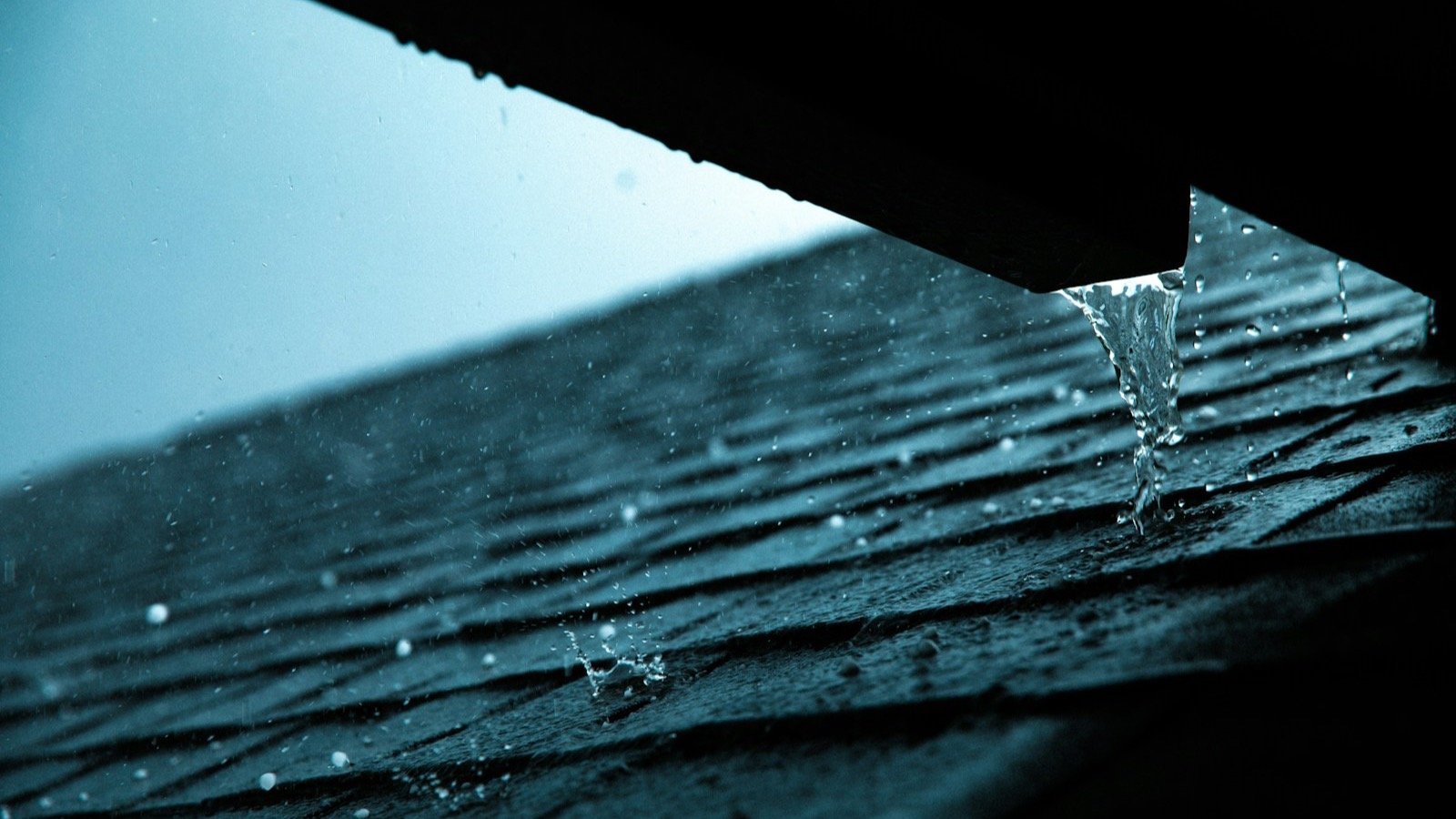
An active leak is one of the few roofing problems where what you do in the first twenty minutes genuinely changes the outcome. Most of the cost of a leak is not the roof repair — it is the drywall, insulation and flooring underneath it.
Here is the order that limits the damage.
1. Move what matters, then contain the water
Get electronics, furniture and anything with sentimental value out of the area first, and put down a bucket with an old towel in the bottom to stop the splash spreading.
If water is pooling in a bulging patch of ceiling, that bulge is holding weight and can let go all at once. Put a container underneath, then pierce it deliberately in the centre with a screwdriver to let it drain in a controlled way. It feels wrong. It is much better than a ceiling coming down.
2. Photograph everything before you clean up
Photos of the active leak, the stains, the affected rooms and any damaged belongings take two minutes and are worth a great deal if this becomes an insurance claim.
Take them before you mop, dry or move anything more than you have to.
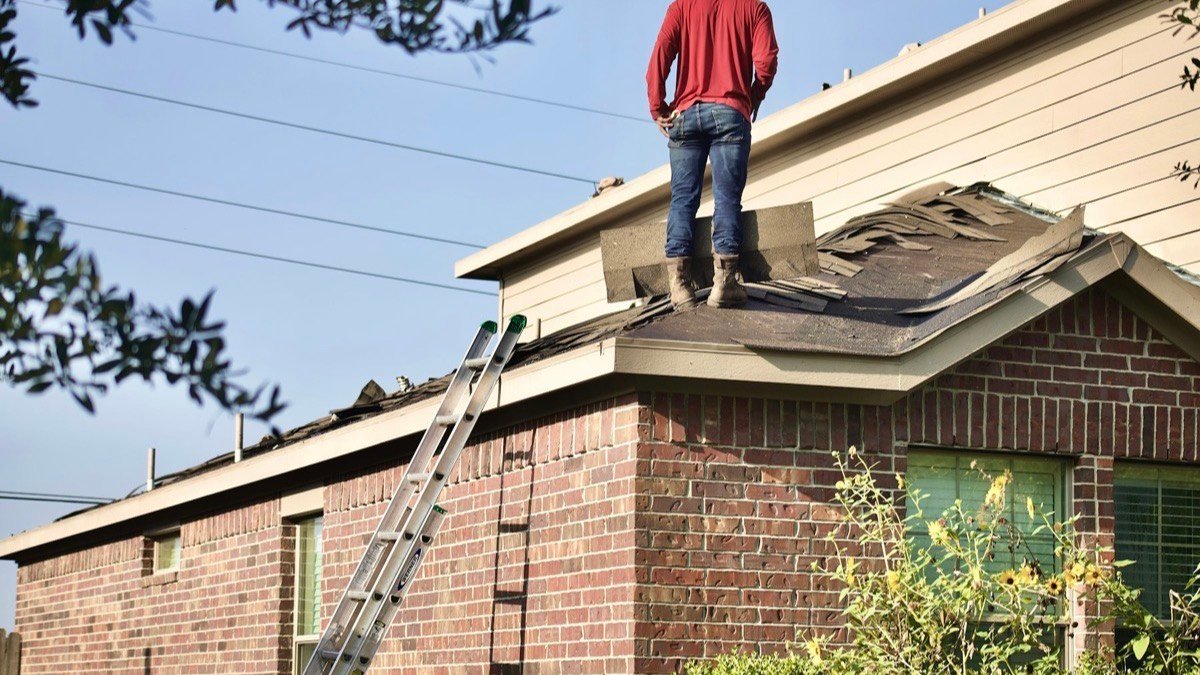
3. Do not go up on the roof
This is the one firm rule. A wet roof is slippery, an icy one is worse, and a roof that is already leaking may have compromised decking that will not hold your weight.
There is nothing you can safely accomplish up there in the middle of a storm that is worth a fall from that height. Finding the source is our job, and it usually is not where the water shows up inside anyway — water runs along rafters and sheathing before it drops.
4. Call while it is still leaking, if you can
An active leak is far easier to trace than a dried stain. If you can get someone out while water is still moving, the diagnosis is usually faster and more accurate.
Tell us what you are seeing, where it is showing up inside, and what the weather was doing when it started. Photos help. Urgent leaks get a same-day response.
Why moving quickly pays
Water that sits does not stay a roofing problem. It becomes wet insulation that stops insulating, drywall that has to come out, and — given a few weeks in a dark cavity — mould. A leak addressed the same week is usually a modest repair. The same leak left for a season is a much bigger job.