
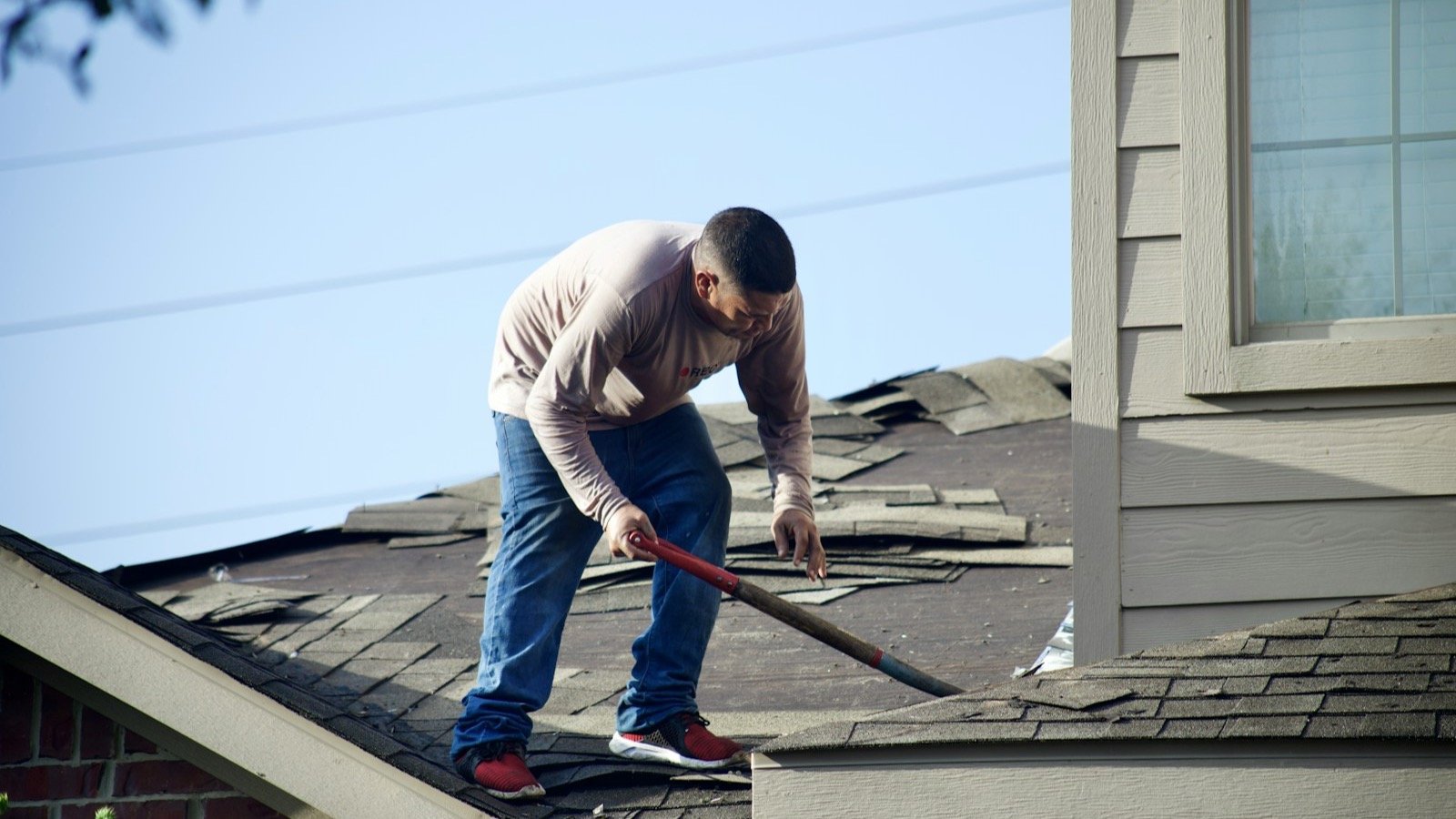
Most roofs do not fail all at once. They give you a few years of quiet warnings first, and the difference between a repair and a replacement usually comes down to how many of those warnings are showing at the same time.
One of these on its own is often a repair. Three or four together, and you are looking at a roof that is finished.
1. It is past twenty years old
Age alone does not condemn a roof, but it changes the maths. Once an asphalt roof is past about twenty years in our climate, repairs start becoming money spent on something that is going to need replacing soon anyway.
If you do not know the age, a roofer can usually estimate it from the shingle style and how the granules have worn.
2. Shingles are curling, cracking, or gone
Curled edges and cracks mean the shingle has lost its flexibility and is no longer sealing. That is age and weather doing their work, and it does not reverse.
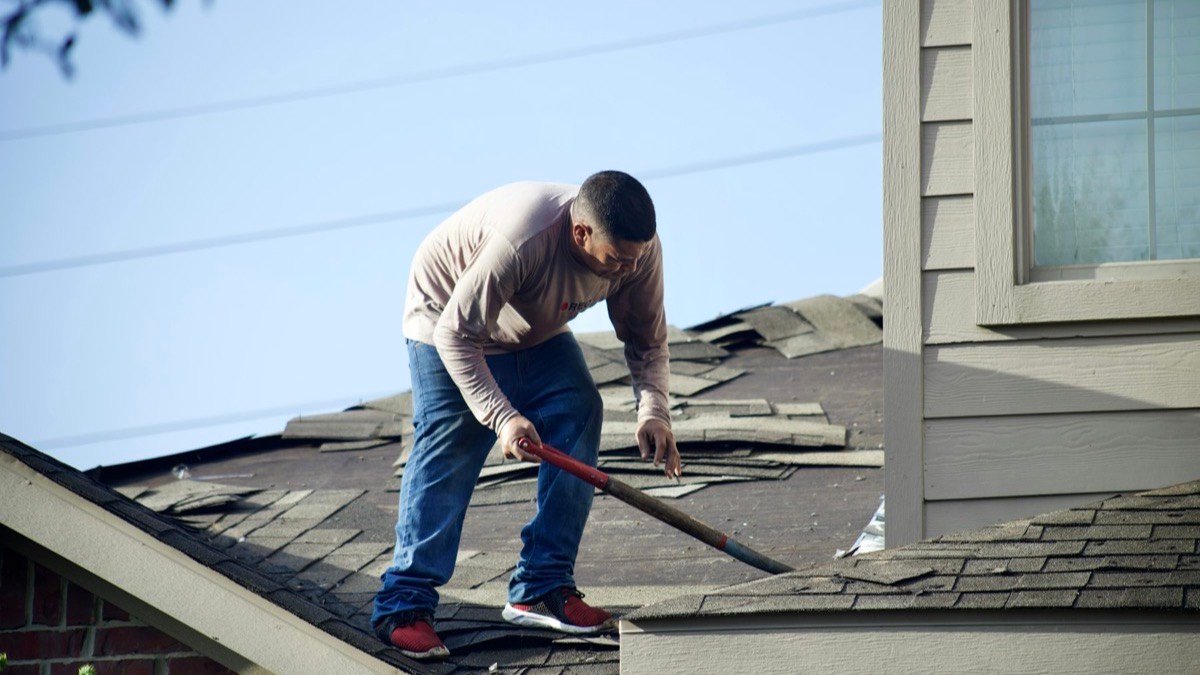
A few missing shingles after a windstorm is a repair. Curling and cracking across whole slopes is the roof telling you it is done.
3. Granules collecting in the gutters
Those granules are the shingle's sun protection. Some loss is normal, especially on a new roof. Piles of them in the gutters and downspouts, along with shingles that look patchy or shiny in spots, mean the surface is wearing through.
Once granules are gone, the asphalt underneath degrades quickly.
4. Leaks that keep coming back or keep moving
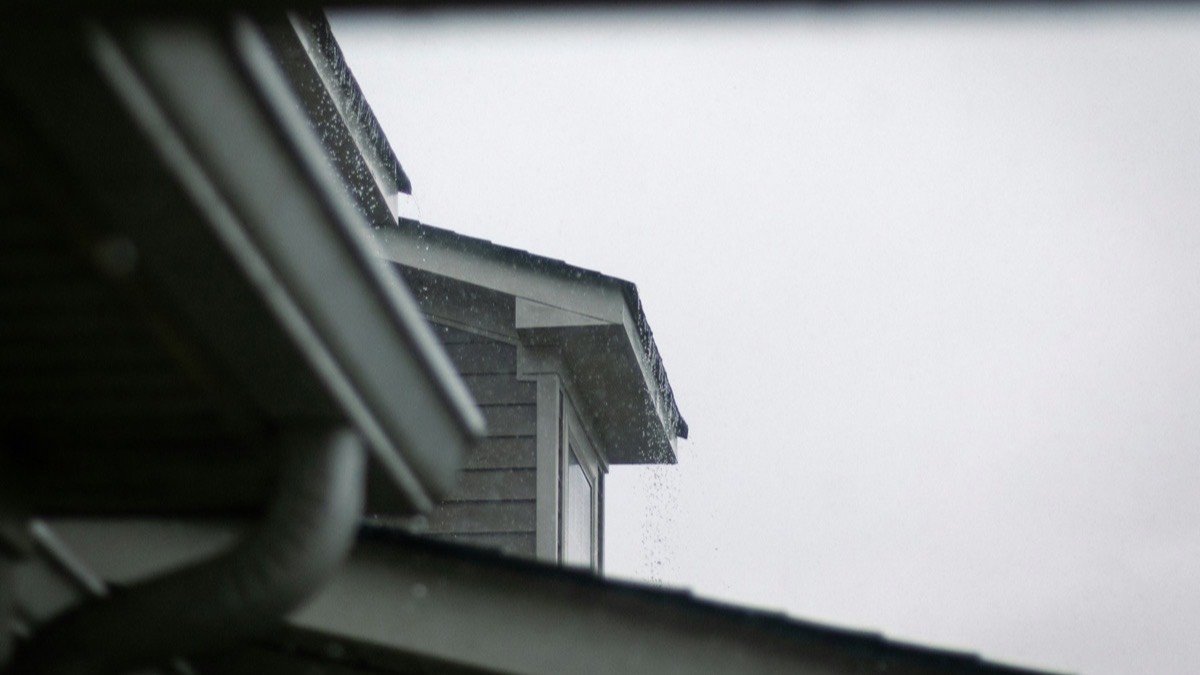
One leak in one spot is usually a specific failure: a boot, a flashing, a nail. That is fixable.
A leak that returns after being repaired, or new stains appearing in different rooms, usually means water is getting in at multiple points and travelling. Patching that is chasing symptoms.
5. Daylight or sagging in the attic
Go up with a flashlight on a bright day and look at the underside of the deck. Daylight through the boards, damp or stained sheathing, or any visible sag means water has been getting in long enough to affect the structure.
This one is not a wait-and-see. Sagging decking is a safety issue as well as a roofing one.
Still not sure?
That is normal, and it is exactly what an inspection is for. We will tell you honestly whether you are looking at a repair, a few more seasons, or a replacement — including when the answer is that your roof is fine and you should keep your money.