
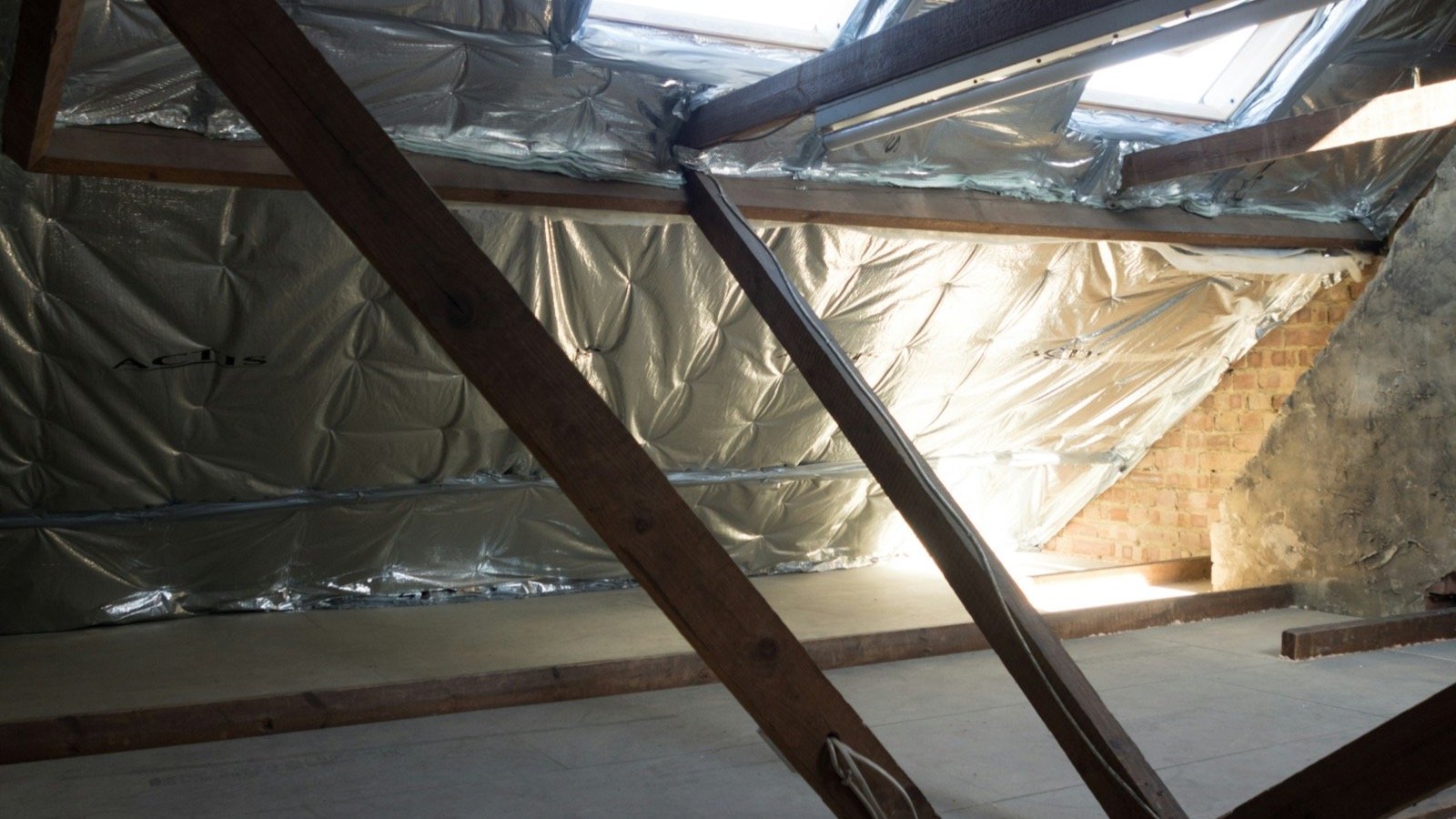
Ventilation is the part of a roof nobody asks about. It is also one of the most common reasons roofs in this province wear out early, and it is usually the cheapest thing to get right during a replacement.
The principle is simple: air should enter low at the soffits, travel up under the deck, and leave high near the ridge. Continuously, all year.
What airflow is actually doing up there
In winter it keeps the underside of the roof deck close to the outside temperature. That sounds counterproductive in a cold climate, but it is exactly what you want — a cold deck means the snow on your roof melts evenly from sun and thaw rather than from heat leaking out of your house. Uneven melting is how ice dams form.
In summer it lets the heat that builds under a dark roof escape instead of cooking the shingles from below and pushing your cooling costs up.
Year round it carries out the moisture your household generates. Showers, cooking and laundry all send water vapour upward, and without a path out it condenses on the cold underside of the deck.
What it looks like when it is wrong
- Frost or condensation on the underside of the sheathing in winter, sometimes mistaken for a roof leak.
- Damp, matted or blackened insulation.
- Ice dams and heavy icicles forming along the eaves every year.
- Shingles that aged out well before their rated life, especially on the sunniest slope.
- An attic that is stiflingly hot in summer, and upstairs rooms that never cool down.
- Musty smells, or mould on the underside of the deck.
The two mistakes we find most often
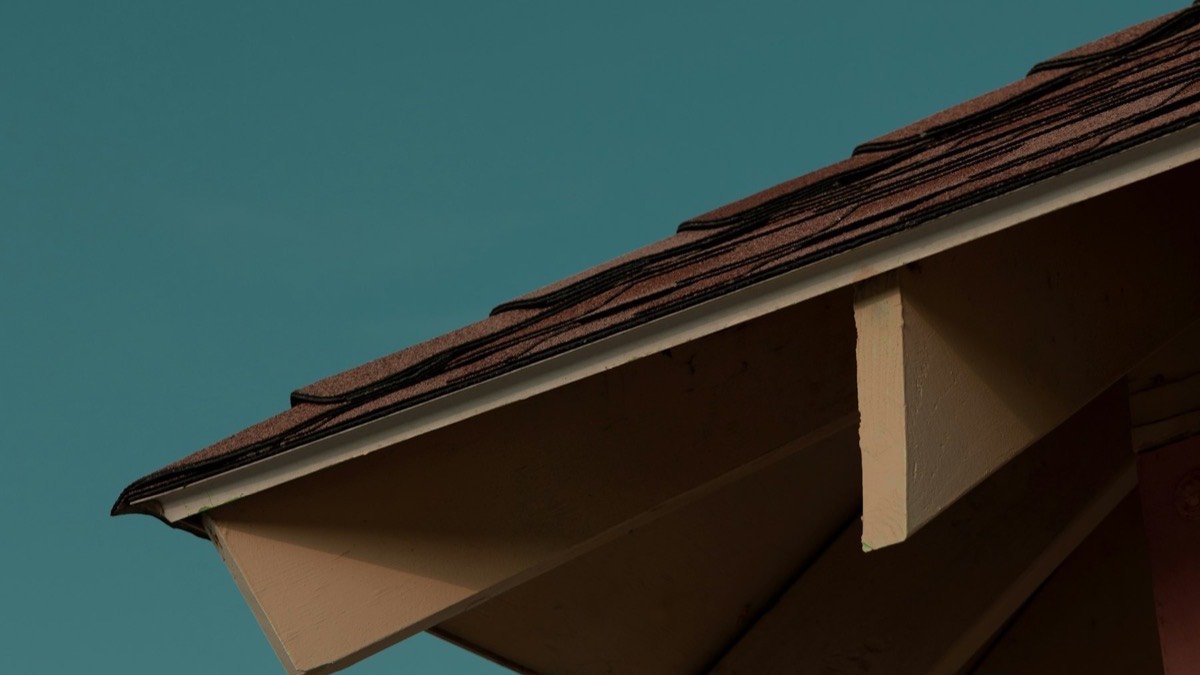
The first is blocked intake. Insulation gets pushed out over the soffits during an upgrade and seals off the low-level intake completely. The exhaust vents up top are fine, but with nothing coming in, no air moves. Baffles at the eaves prevent this and cost very little.
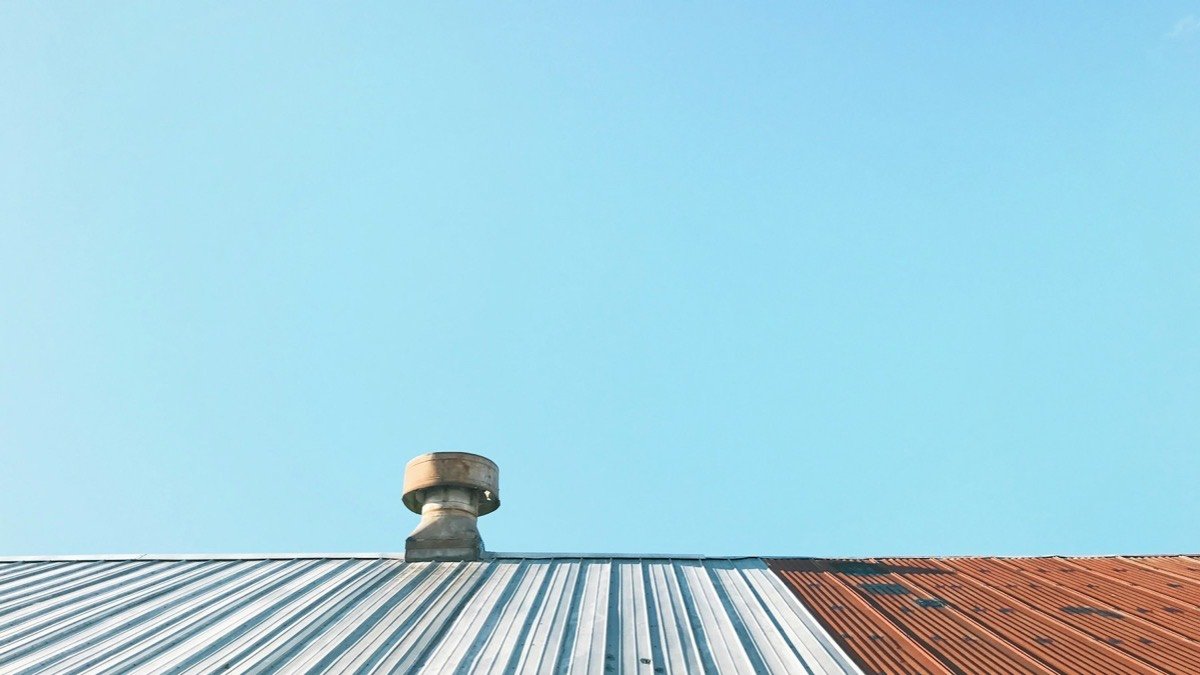
The second is mixed exhaust types on one roof plane — ridge vent alongside box vents, or a powered fan added next to passive vents. Instead of drawing air from the soffits, the system short-circuits and pulls it from the nearest other vent. Air moves, but only between the two vents, and the rest of the attic stays stagnant.
It quietly affects your warranty
Most shingle manufacturers require adequate ventilation as a condition of their warranty, because heat and trapped moisture are what age a shingle from underneath. A roof with poor airflow can have a warranty on paper that would not survive a claim.
This is worth asking about directly whenever a roof is quoted. Ventilation should be part of the scope, not an afterthought.