
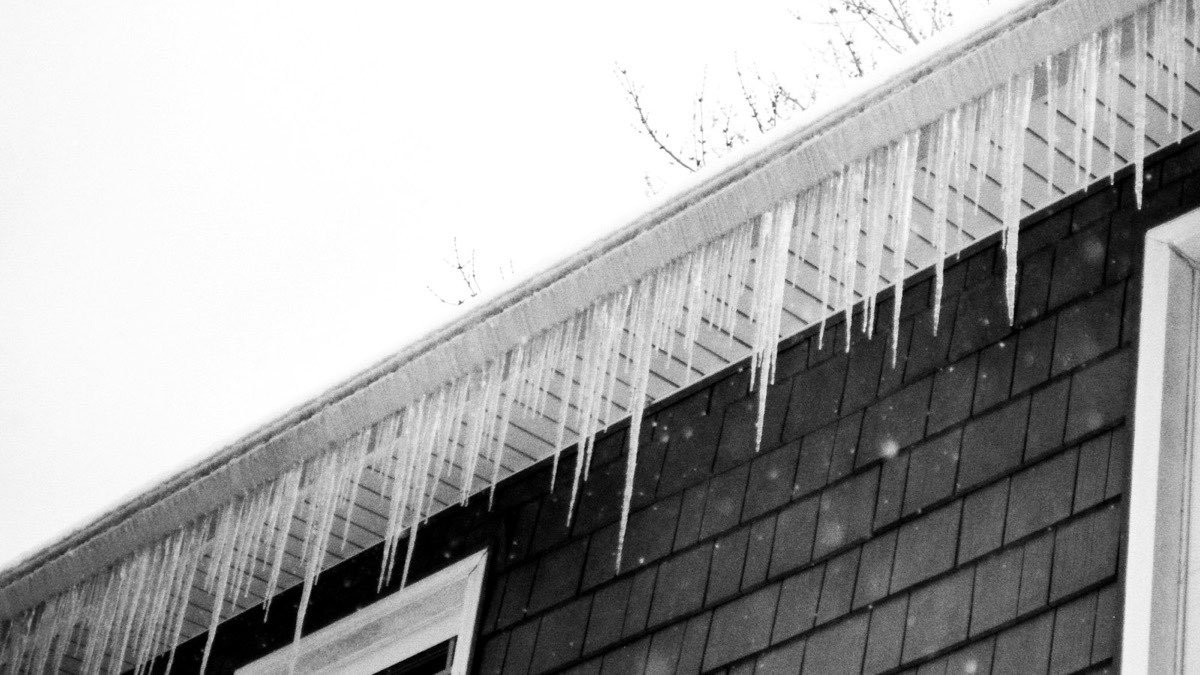
A row of thick icicles along the eaves looks like a winter postcard. It is usually a warning that your roof is losing heat, and that water is being held where it can work its way back under the shingles.
The important thing to understand is that ice dams are not really caused by cold weather. They are caused by a warm roof.
What is actually happening
Heat escaping from your house warms the roof deck. Snow sitting on the warm section melts, and the meltwater runs down the slope.
When it reaches the eaves and the overhang — which are not sitting above heated space and stay properly cold — it refreezes. Do that for a few days and you have built a ridge of ice along the edge of the roof.
Now the next round of meltwater hits that ridge and has nowhere to go. It backs up behind the ice and sits there. Shingles shed water that runs downhill; they were never designed to hold back standing water, so it finds its way under them and into the house.
The real fix is heat and airflow
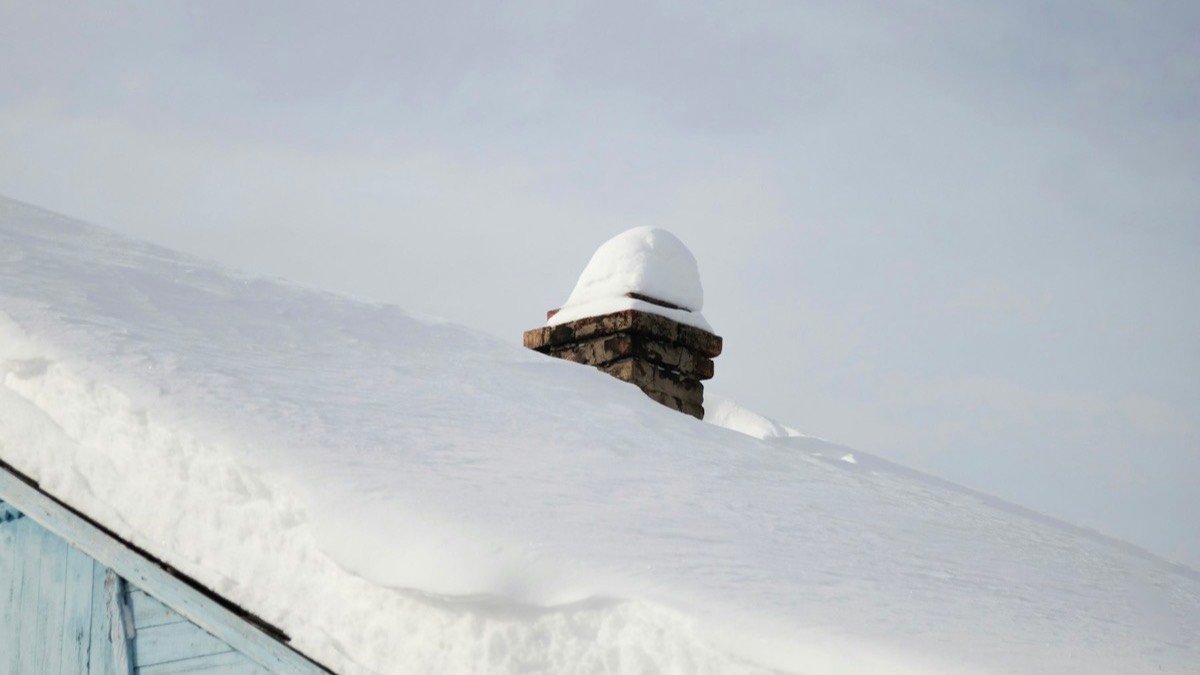
If the roof deck stays cold, the snow on it does not melt prematurely, and no dam forms. That is the whole solution, and it lives inside your house rather than on the roof.
That means sealing the places warm air escapes into the attic — attic hatches, light fixtures, bathroom fan housings, plumbing stacks and gaps around wiring. It means insulation at the right depth and evenly spread. And it means ventilation that actually moves air from the soffits to the ridge, so any heat that does get up there is carried away.
What helps, and what does not
- Air sealing the attic floor: the highest-value fix, and usually the cheapest.
- Adequate, evenly distributed insulation: keeps household heat where you paid to put it.
- Working soffit-to-ridge ventilation with baffles keeping the intake clear.
- Ice and water membrane along the eaves: does not prevent a dam, but is what stops one from leaking into your house. Standard on any replacement we do.
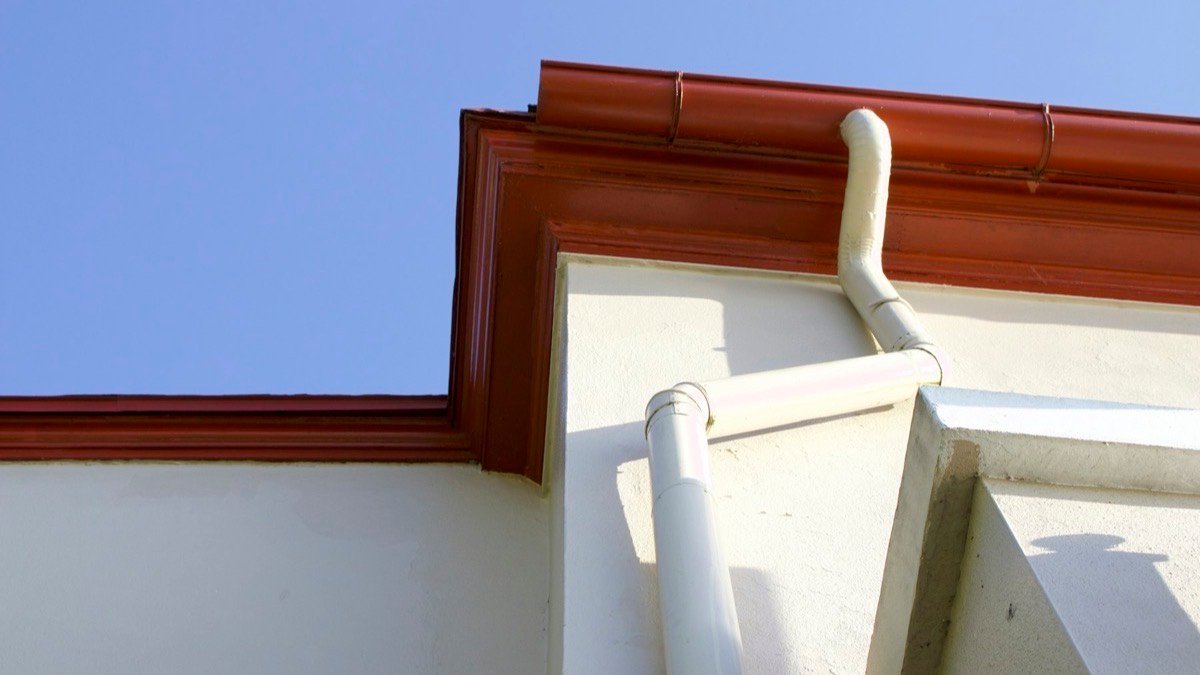
- Clear gutters going into winter, so meltwater has somewhere to go.
- Heat cables: manage a symptom in a problem spot. They use power all winter and do nothing about the cause.
- Chipping ice off with an axe or a hammer: a fast way to destroy shingles and gutters, and to fall. Do not.
If you already have one
If it is not leaking, leave it alone and plan the real fix for spring. Attacking a dam mid-winter usually costs more in damaged shingles than the dam would have.
If it is leaking into the house, deal with the water inside first, then call someone. Steaming is the only method that removes an ice dam without wrecking the roof underneath it — never a pressure washer, and never a chisel.
Then, once the season turns, fix the attic. Otherwise you will be having this exact conversation again next January.