
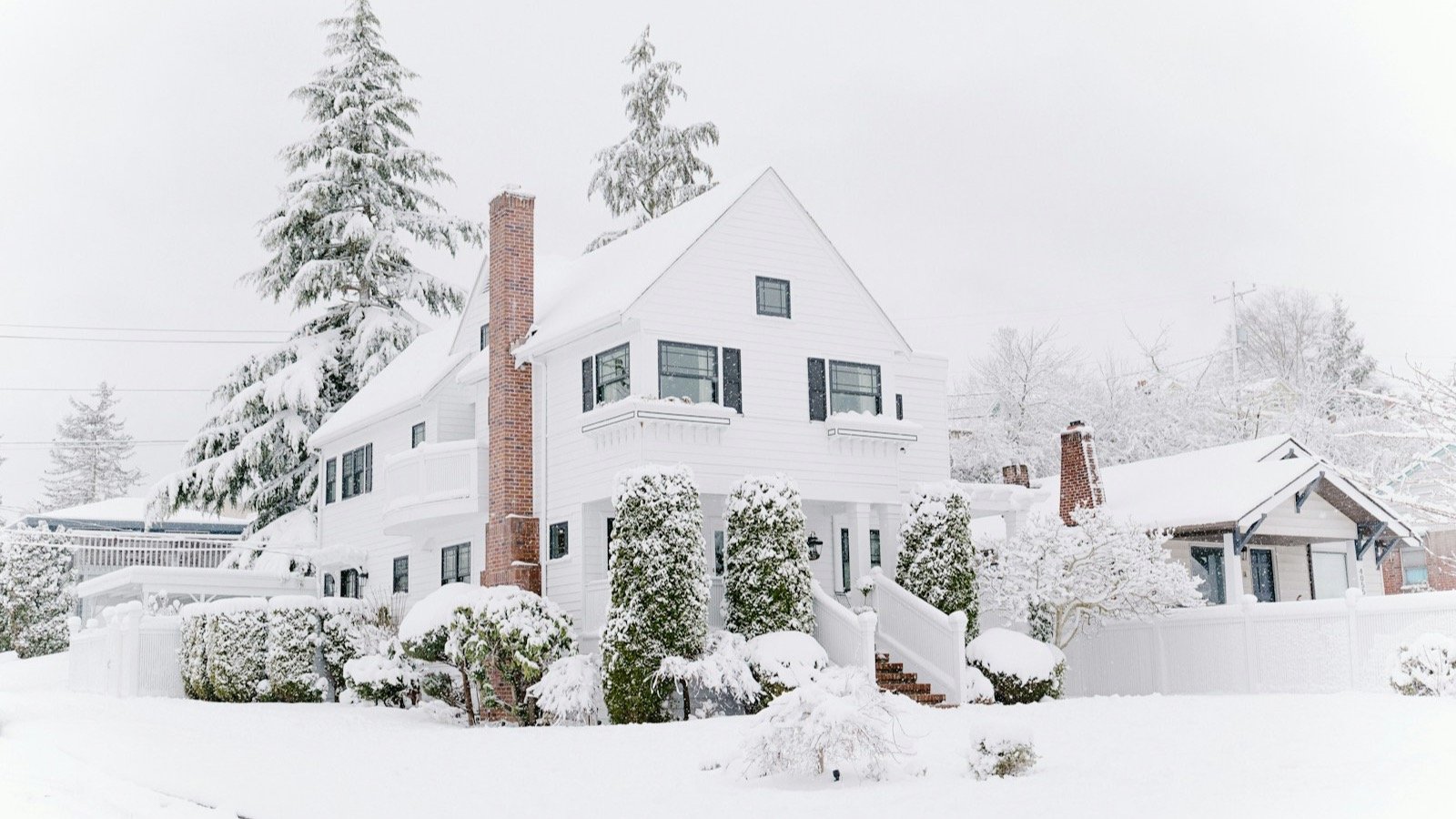
A shingle that performs beautifully in Vancouver can have a miserable life in Edmonton. Our winters do something specific and repetitive to a roof, and that is what decides whether a product lasts.
You do not need to become a materials expert. You do need to know the handful of things that matter here, so you can read a quote and understand what you are buying.
What an Alberta winter does to a roof
Three things, over and over. First, freeze-thaw: water works into small gaps, freezes, expands, and levers them wider. A chinook can run us through that cycle several times in a single week, which is harder on a roof than a steady deep freeze would be.
Second, temperature swing. Going from minus thirty to plus five makes materials expand and contract. Brittle shingles crack under that; flexible ones move with it.
Third, weight and wind. Snow load presses down for months, and our spring and summer winds get under any shingle that is not properly sealed.
What makes a shingle survive here
- A laminated or architectural build rather than a flat three-tab. More layers means more stiffness, better wind resistance, and far better hail performance.
- A strong sealant strip. Shingles bond to each other in warm weather; that bond is what stops wind lifting them in a January storm.
- A high wind rating. Look for a stated rating rather than a vague claim on a brochure.
- Impact resistance if hail worries you. Alberta gets hail, and an impact-rated shingle can matter for both the roof and the insurance conversation.
- A manufacturer warranty that is actually available to you, which usually depends on the roof being installed to spec by an installer who follows it.
The shingle matters less than what goes under it
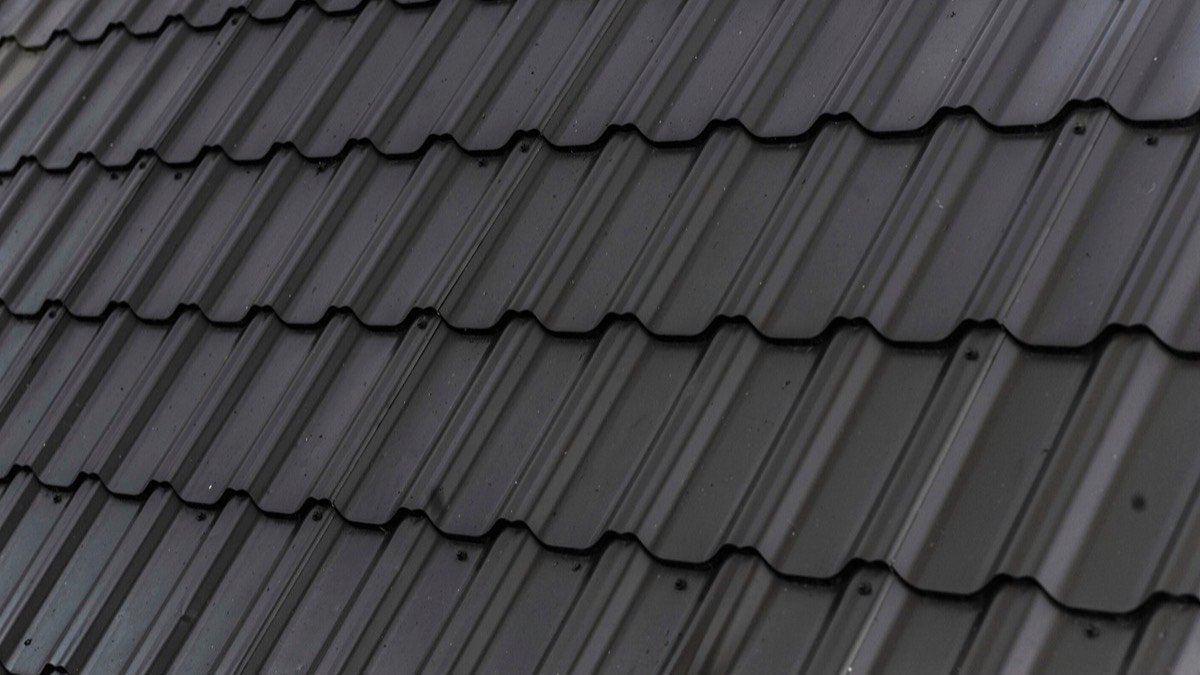
This is the part most homeowners never hear. A premium shingle over a poorly prepared roof will still leak, because winter failures in Alberta rarely start in the middle of a shingle field. They start at the edges, the valleys, and the penetrations.
Ice and water membrane along the eaves is what stops an ice dam pushing meltwater back under the shingles. Proper valley detailing handles the water that every slope funnels into one line. Correct flashing at walls, chimneys and vents deals with the joints. And ventilation keeps the deck cold enough that snow does not melt and refreeze at the edge in the first place.
Get those right and a mid-range shingle will serve you well. Get them wrong and the best shingle on the market will not save the roof.
The short version
Buy an architectural shingle with a real wind rating from a manufacturer who stands behind it, and spend your attention on the underlayment, the valleys, the flashing and the ventilation. That combination is what gets a roof through twenty Alberta winters.